


Blog
Plain, warm answers about what an AI site manager can do for you, for people who run a small business or a website.
History of building websites
Ten short posts on how websites got built, from hand-written pages in the 1990s to asking an AI for one in a sentence.
The 10 posts
- In the 1990s, you built your web page by hand
- In the dot-com years, websites got flashy, and then the money ran out
- In the blog years, you could publish without knowing HTML
- When WordPress arrived, you no longer needed someone to build your site
- In the web 2.0 years, your site became a heap of borrowed parts
- When phones arrived, your website had to fit every screen
- In the framework years, a simple page came with heavy machinery
- When AI arrived, you could ask for a website in a sentence
- Now anyone can put up a site in an afternoon, and someone still has to mind it
- Thirty years of building websites, and what owners want looking after theirs next

Your numbers look fine. So why do new members vanish?
· Theo Brandt
Overall activity can be mostly your longest-standing members. Look at the newest ones on their own.

Your community is quiet. Find out why first.
· Theo Brandt
Quiet communities have different causes. Match the fix to the cause before you try the whole list.

You cannot answer everyone. Answer the right ones early.
· Orla Finch
When your membership outgrows your inbox, the fix is not a help desk. It is knowing where your own attention counts most.

You built the audience. Who owns the place it meets?
· Orla Finch
Renting space on someone else's platform is easy at the start. Check what it costs once you are growing.
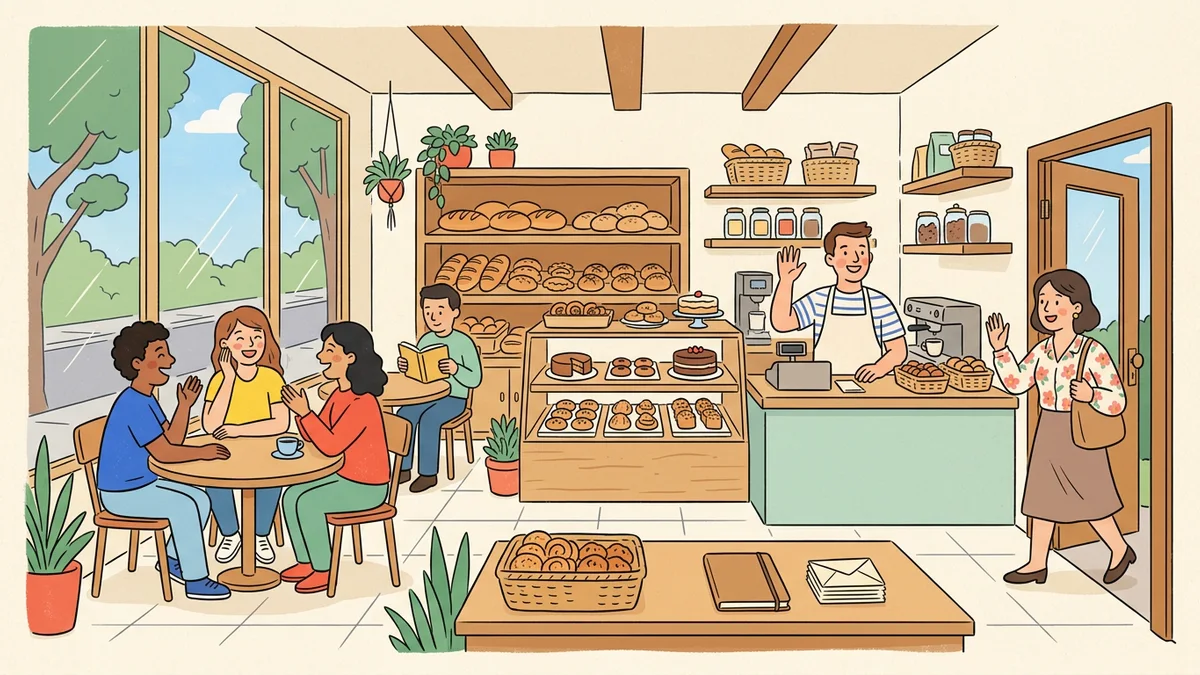
Word of mouth fills the room. What keeps it full?
· Maren Holt
Members who tell friends are a gift. Pair them with one channel you own, and give it a year.

Which recession move should you make first?
· Orla Finch
A list of ten ways to protect your membership is easy to find. Which one to run first depends on where your members leave.

Which plan should your pricing page show first?
· Theo Brandt
A monthly plan asks members to decide again every month. Put the yearly plan first and see what changes.

Which coaching package should you build?
· Orla Finch
Reading about coaching package types is easy. Choosing one starts with what your members already do.

Where do your students stall?
· Theo Brandt
When people drop off mid-course, the fix is rarely the whole course. Look for the one spot where it gets hard.

When should you raise your prices?
· Orla Finch
Raise them when costs go up, or when the market allows it, says the old advice. Your own numbers can tell you more.

When is the right moment to offer an upgrade?
· Maren Holt
Day sixty is a habit, not a rule. Offer an upgrade after a member has had a real result.

What the average price does not tell you
· Orla Finch
Pricing near the average feels safe, but the average blends together businesses very unlike yours.
Who writes here

Maren Holt
Writes about owners and the day-to-day difference a helper makes.
She tells the small stories: the shop owner who gets her evenings back, the studio that stops dreading its own website. She writes warmly and with a steady beat, and she always says what changed for the owner.

Theo Brandt
Writes about how an AI site manager actually works, step by step.
He explains how things work by taking one real task from start to finish and showing each step in order. If a part is complicated, he finds the plain way in and keeps the order clear.

Orla Finch
Writes about the things AI and websites make confusing, in plain words.
She takes the jargon people are handed about AI and websites and says it the way you would say it across a table. Short sentences, no fog, and a clear line on what you can ask for and what you approve.