

History of building websites, 10 of 10
Thirty years of building websites, and what owners want looking after theirs next
A look back from hand-typed pages to assistants, the one thing owners kept needing, and the friends Foo gathers with in November
By Orla Finch ·
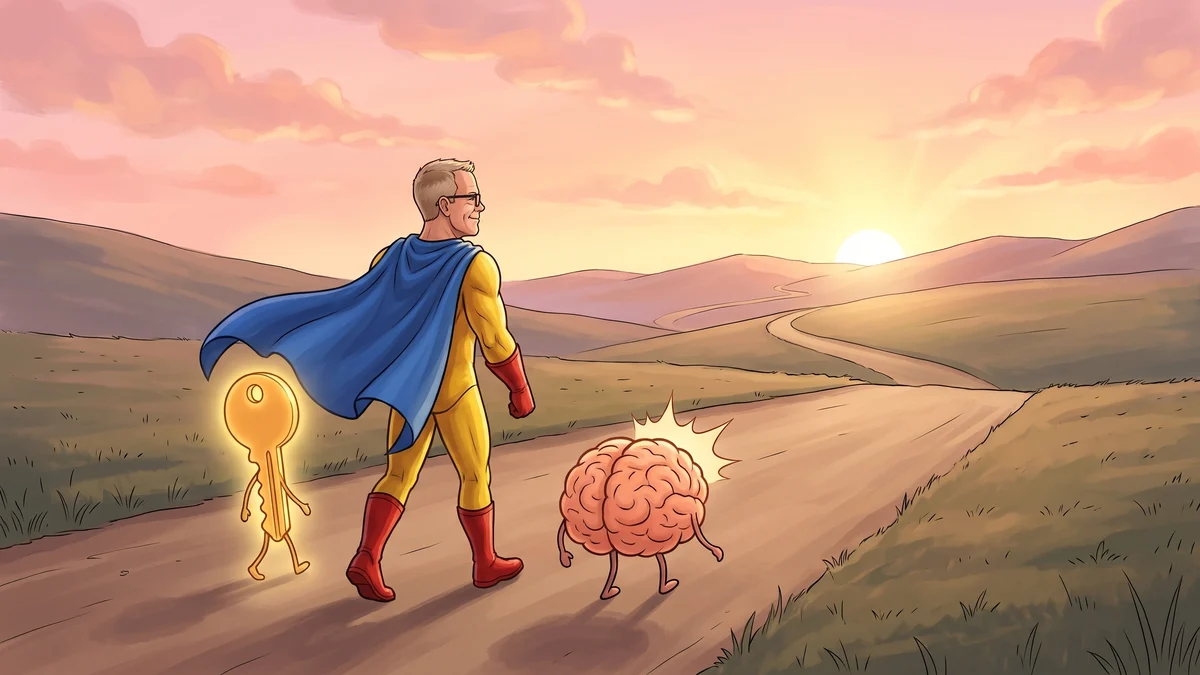
Say it is the last night of October 2026, and Jess, Rosa and Priya, who have carried this series, each has a site of their own. Last time we left Priya with four small jobs that no assistant takes off her hands. Before we turn the page on the month, it is worth looking back at how far Jess, Rosa and Priya came.
Jess started it in 1996, typing a page about her favourite band by hand, tag by tag. Rosa paid someone to make her bakery's site flashy in the dot-com years, just before the money ran out. Priya began a blog without knowing any code, and then, with WordPress, first released in May 2003, she ran a whole site herself.
After that the pace picked up. Priya's site became a heap of borrowed parts, themes and plugins she never wrote. Phones arrived, and Rosa's site had to fit every screen. Jess, building sites for a living by then, was handed heavy machinery for simple pages. Then assistants arrived that could write a page from a sentence.
Look at the whole road and one thing stands out. Every era made building a site easier. None of them took away the minding. Pages still needed updating, links still went stale, and someone still had to decide what went live. Keeping software useful as things change around it is what the trade calls maintenance, and it never stopped being the owner's job.
We are not going to tell you what the 2030s will bring. Nobody can say that honestly on the last day of October. What we can say is what every owner in this series wanted, once their site was up: one place they could trust, that remembers what their site is and what changed, and keeps an eye on it while they get on with the bakery, the band or the pottery class.
That is where Foo comes in, with two new friends. Foo is the hands in your site: it gets a change ready as a preview, and nothing goes live until you say go. Key looks after signing in. It sends you a six-digit code by email, keeps no passwords, and lets an assistant in only after you have seen it and chosen Allow or Don't allow. Key is still in early use. Memory, at MyWebsiteMemory, is the brain we are building: a place to keep what your site is, its style, what changed and what is working. We are also building toward one account across all three, each part something you choose to turn on.
Our November issue is called The family gathers, and it is where Foo, Key and Memory meet. You will find it here on the blog, where this series lives too.
Building a site got easy somewhere along the road. Minding it is still the part worth getting right, and in November you meet the friends who help you do it.