

Older posts, page 4
Earlier posts from the blog.
Does your members-only page sell, or just lock?
· Theo Brandt
A members-only page is not only a lock. Its first job is to help the right visitor say yes.
Can AI just do my SEO?
· Orla Finch
It can help, but the useful part is not where most advice starts.
Thirty years of building websites, and what owners want looking after theirs next
· Orla Finch
A look back from hand-typed pages to assistants, the one thing owners kept needing, and the friends Foo gathers with in November
Now anyone can put up a site in an afternoon, and someone still has to mind it
· Orla Finch
Assistants can build a site from a few sentences, which makes the web feel like a wild west again, and the owner's part is small but real
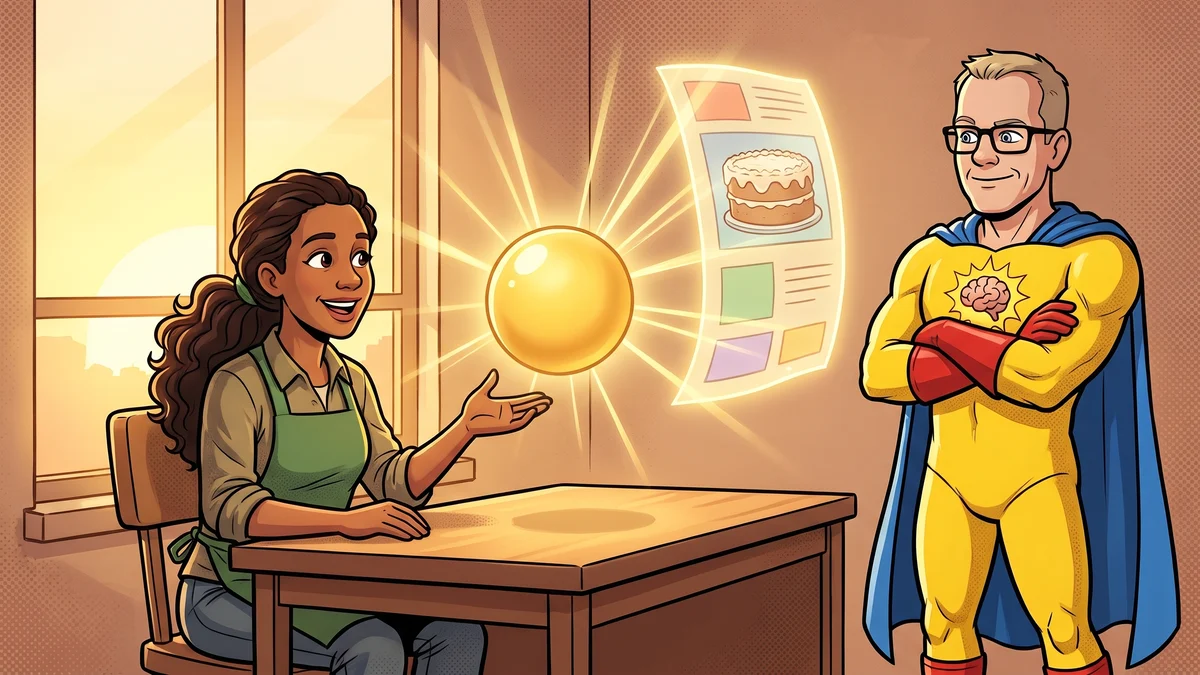
When AI arrived, you could ask for a website in a sentence
· Orla Finch
In the early 2020s, assistants like GitHub Copilot and ChatGPT began writing code and pages from plain words, and the owner still had to check the work
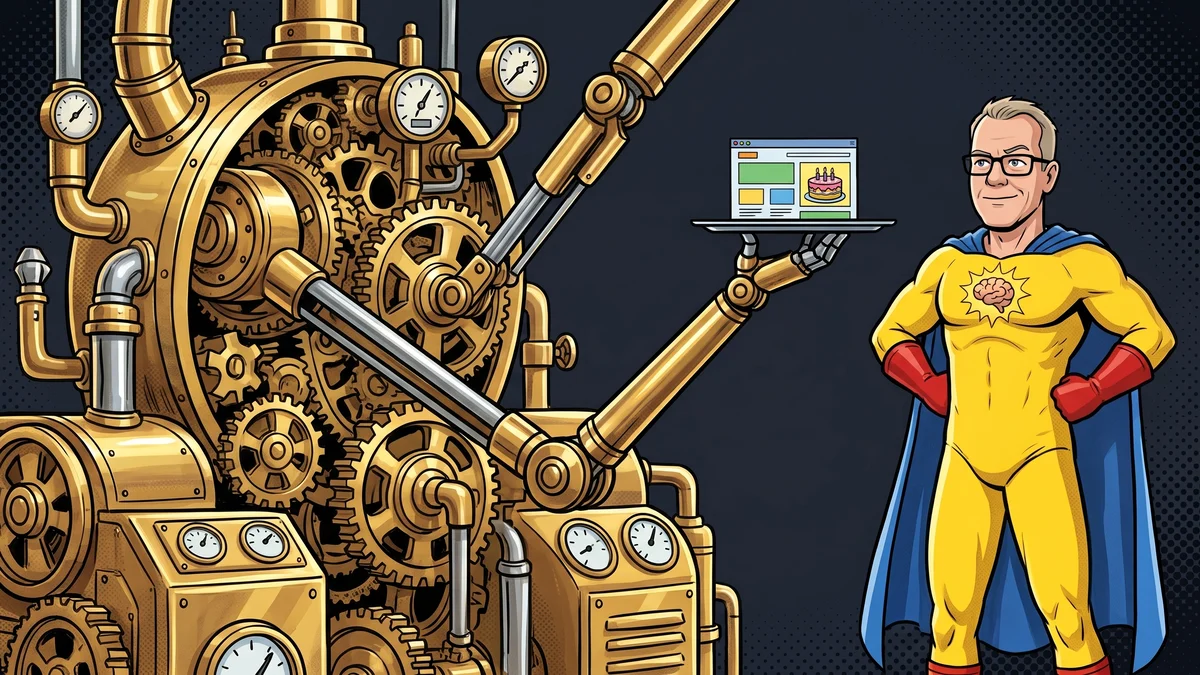
In the framework years, a simple page came with heavy machinery
· Orla Finch
Frameworks like React turned web pages into programs, then Jekyll and the static site makers went back to plain pages built once and handed out from nearby
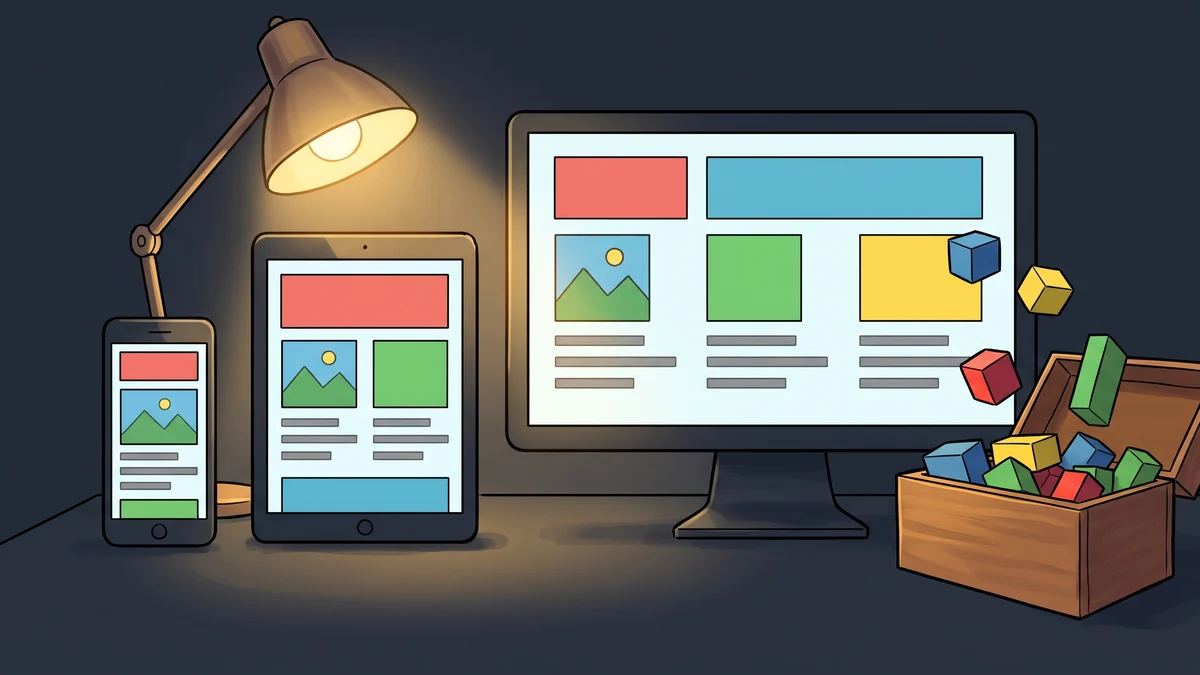
When phones arrived, your website had to fit every screen
· Orla Finch
Phones made one page work at every size, and drag-and-drop builders like Wix and Squarespace offered a whole site without any code
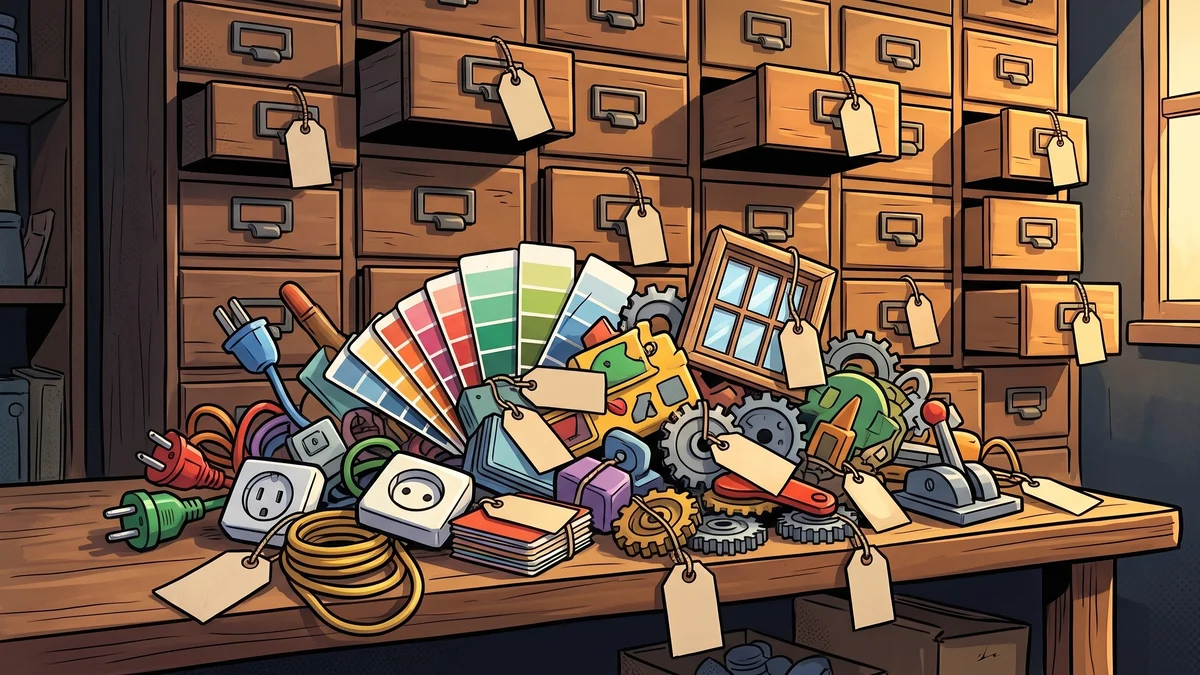
In the web 2.0 years, your site became a heap of borrowed parts
· Orla Finch
Themes and plugins let owners add almost anything to a site without writing code, and every part they added was one more part to keep up
When WordPress arrived, you no longer needed someone to build your site
· Orla Finch
How a free blog tool from 2003 let owners run their own websites, with themes for the look and plugins for the features
In the blog years, you could publish without knowing HTML
· Orla Finch
Blogger, LiveJournal and Movable Type let anyone post, and CSS moved a page's looks out of its words: the web from 1999 to 2004
In the dot-com years, websites got flashy, and then the money ran out
· Orla Finch
Browsers at war, Flash, Dreamweaver and a stock market bubble: what building a website was like from 1995 to 2002
In the 1990s, you built your web page by hand
· Orla Finch
Free home pages, tables and invisible pictures: how a teenager in 1996 put her first page online, and what it still teaches you